

tempered glass is made of
Understanding the Spirit Level Meter A Guide to Precision in Measurement A spirit level meter, also known simply as a level, is an essential tool used in construction, carpentry, and various engineering fields. Its primary purpose is to determine whether a surface is horizontal (level) or vertical (plumb). While this may sound straightforward, the applications of a spirit level can be quite complex, and understanding its mechanics and uses can greatly enhance the accuracy and quality of any project. The Mechanics Behind a Spirit Level Meter At the heart of a spirit level is a simple yet ingenious mechanism. The device consists of a sealed vial filled with liquid (usually alcohol or another colored fluid) and an air bubble. The vial is typically curved, which allows the bubble to rise to the highest point within the curvature. When the spirit level is placed on a surface, the position of the bubble indicates whether that surface is level. - Level Surface If the bubble is centered between the marked lines on the vial, the surface is perfectly horizontal. - Plumb Surface When the spirit level is used vertically, the same principle applies. If the bubble settles in the middle, then the surface is perfectly vertical. Types of Spirit Levels Spirit level meters come in various types to suit different needs. The most common types include 1. A-frame or Carpenter's Level This is the standard form and often features multiple vials, allowing for both horizontal and vertical measurements. 2. Torpedo Level Smaller and more compact, torpedo levels are ideal for working in tight spaces. They are often constructed with a magnet to secure themselves to metal surfaces. 3. Digital Level This modern variant uses electronic sensors to provide a digital readout of the angle, often enhancing accuracy and ease of use. Some digital levels feature additional functionalities such as angle measurement. spirit level meter 4. Laser Level A more advanced instrument, laser levels project a beam of light onto surfaces, creating a level line over long distances. This is especially useful for large projects where traditional levels might not work as effectively. Applications of Spirit Level Meters Spirit levels are indispensable across a multitude of applications, including construction, carpentry, and interior design . They are utilized when - Installing cabinets or shelves Ensuring these items are level helps maintain a professional appearance and supports optimal functionality. - Laying tiles An even floor or wall surface is crucial for aesthetic and practical purposes. Using a level meter during installation can prevent future cracking or uneven surfaces. - Framing and structural work Properly aligned frames are essential to the integrity and durability of buildings and other structures. - Landscaping Levels can assist in creating a balanced outdoor space, from patios to garden beds. Conclusion The spirit level meter remains a fundamental tool in ensuring precision in various trades and professions. Its simple design belies its effectiveness, and mastering its use can significantly improve the quality of work, from homes to commercial buildings. Investing in a reliable spirit level, whether it's a traditional model or a modern digital variant, is essential for anyone seeking to achieve accuracy in their projects. As technology advances, the spirit level will continue to adapt, but its core purpose—ensuring that our constructions stand straight and true—will always remain vital.
about
tempered glass is made of
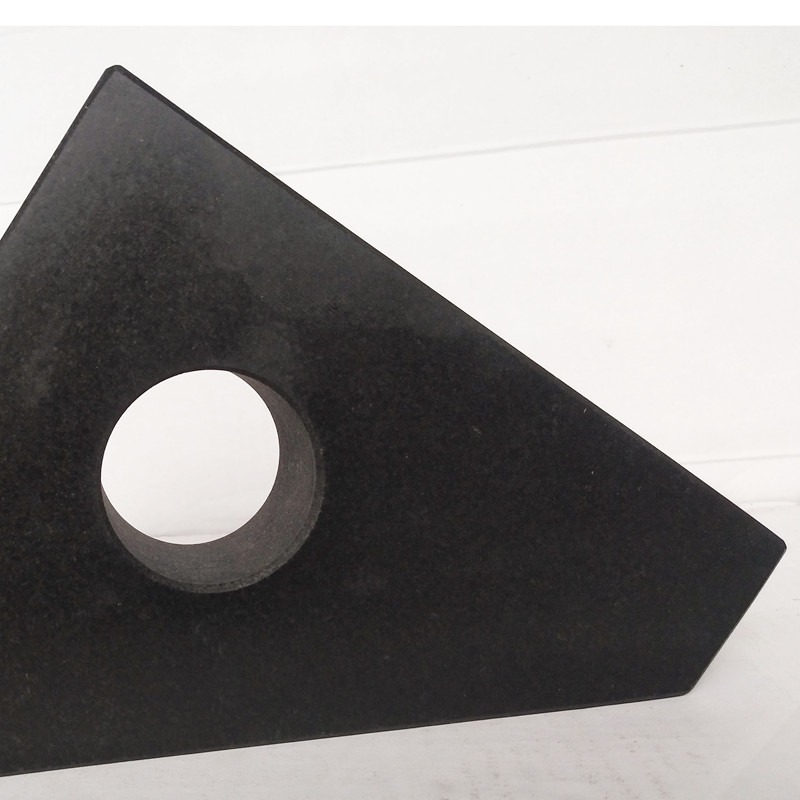
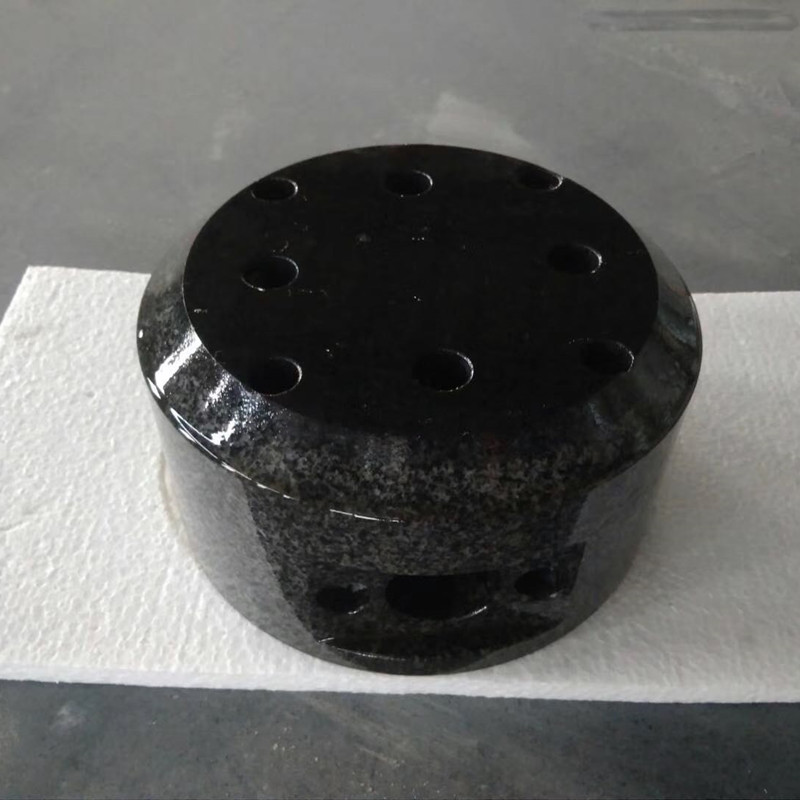
The Significance of Large Granite Blocks in Construction and Design Large granite blocks have been a fundamental material in construction and design for centuries. Known for their incredible durability, aesthetic appeal, and versatility, these massive stones have been used in everything from ancient monuments to modern architectural designs. Granite, an igneous rock composed mainly of quartz, feldspar, and mica, is renowned for its strength and resistance to weathering. This makes it an ideal choice for structures that require longevity and stability. Historical monuments such as the Great Pyramid of Giza and Stonehenge utilize large granite blocks, showcasing their significance in ancient engineering. The precision with which these blocks were cut and transported illustrates the advanced capabilities of early civilizations. In modern architecture, large granite blocks continue to play a vital role. They are often used as cladding material for buildings, providing both structural integrity and an elegant finish. The versatility of granite allows architects to use it in various styles, from sleek and contemporary designs to more traditional and rustic applications. The natural variations in color and pattern in granite can add visual interest, making each structure unique. large granite blocks Furthermore, granite is an environmentally friendly choice. It is a natural stone quarried from the earth, requiring minimal processing compared to synthetic materials . Its durability also means that structures built with granite do not need frequent repairs or replacements, reducing waste. In an era where sustainable construction practices are becoming increasingly important, the use of large granite blocks aligns perfectly with eco-friendly building philosophies. The aesthetic appeal of granite cannot be overlooked. Its timeless beauty makes it a popular choice for outdoor landscaping features, such as patios, walkways, and garden walls. In addition, large granite blocks can be utilized as focal points in parks and public spaces, providing a sense of permanence and elegance. They can be carved into sculptures or incorporated into water features, enhancing the overall environment. Finally, the symbolism associated with granite also contributes to its popularity. Often seen as a representation of strength and endurance, structures made from large granite blocks can evoke feelings of stability and resilience. This symbolism resonates with architects and clients alike, making granite a favored choice for important buildings and monuments. In conclusion, large granite blocks hold a prominent place in both historical and contemporary contexts. Their durability, aesthetic qualities, and environmental benefits make them an ideal choice for a wide range of applications. As we continue to appreciate the natural beauty and strength of granite, we can look forward to its ongoing use in shaping our built environment for generations to come.
-

High quality industrial productsagement

High quality industrial products
View Details -

Meet the diverse needs of customers

Meet the diverse needs of customers
View Details -

Strict quality control

Strict quality control
View Details -

Top raw materials

Top raw materials
View Details -

Trusted supplier

Trusted supplier
View Details
Our application

news and information

Wholesale Valve Selection_ How to Choose the Right Types of Water Valves for Commercial Plumbing
Water valves are essential components in plumbing and industrial systems, controlling the flow and p

Versatile Wood Connection Brackets for Enhanced Structural Support and Easy Assembly Solutions
The Versatility of Wood Connector Brackets in DIY Projects Wood connector brackets are essential com
Y Shaped Strainer for Efficient Filtration and Fluid Management Solutions
Understanding Y-Shaped Strainers Essential Components in Fluid Systems In various industrial and com
 English